At Southern California Decking, we know that outdoor decks get a lot of wear. The sun shines bright. Rain falls hard. Over time, even the best waterproof deck coatings can peel or crack. When that happens, you need to fix it. A peeling deck coating is not just ugly. It is dangerous. Water can get in. The wood can rot. The surface can get slippery. People can fall.
But how do you fix peeling or cracked waterproof deck coatings? And when choosing a new coating, which is better: liquid rubber or polyurethane? In this blog, we will explain in clear, simple words. You will know what to do. You will understand your choices.
Why Deck Coatings Peel or Crack
When a deck coating starts to peel, the top layer comes loose. You may see thin flakes or pieces lifting up. When it cracks, you will notice lines on the surface. Sometimes, water seeps into those cracks.
Common causes include:
- Harsh sun/UV: dries and embrittles the coating until it breaks.
- Moisture intrusion: water vapor from below pushes the layer off.
- Improper prep/application: poor surface prep or wrong thickness leads to early failure.
Step One: Clean the Deck Surface
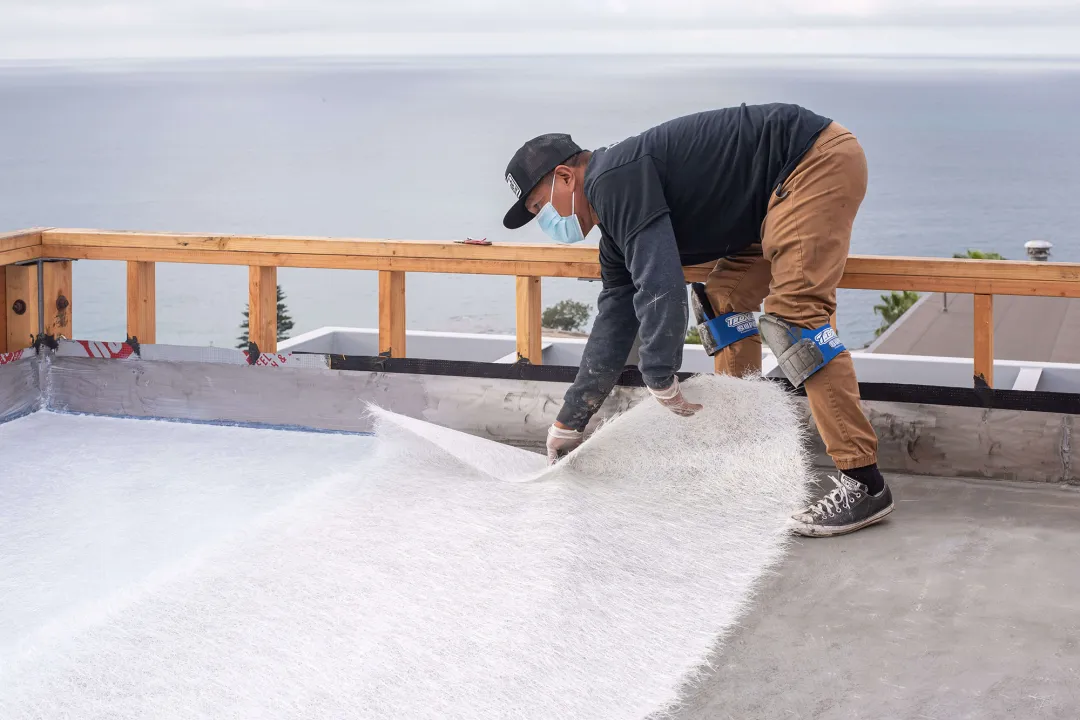
The first thing to do is clean the deck. You cannot fix a peeling coating on a dirty surface. Use brushes, soap, and water. Scrub until the deck is free from dirt, oil, and loose paint. Let the deck dry fully—do not rush.
Step Two: Remove Old, Loose Coating
After cleaning, scrape off the loose coating with a scraper or putty knife. Sand rough spots to promote adhesion. The goal is a smooth, sound surface that the new coating can grab onto.
Step Three: Choose Your Coating — Liquid Rubber or Polyurethane
At Southern California Decking, we work with both liquid rubber and polyurethane. Each has strengths and trade‑offs:
Liquid Rubber
Feels like thick paint going on and cures to a flexible, rubbery layer. Fills small cracks and handles minor deck movement.
Pros
- Flexible—good for moving wood decks
- Easy brush/roller application
- Lower odor; works on wood and concrete
Cons
- Softer finish; can wear faster in high traffic
- Less glossy—can look dull over time
Polyurethane
Cures to a hard, glossy surface with excellent UV and water resistance. Great for long‑term durability and high‑traffic areas.
Pros
- Very durable and shiny finish
- Strong UV and weather protection
- Stands up to foot traffic and furniture
Cons
- Less flexible—may crack if wood moves
- Stronger odor and longer curing time
- Requires careful, even application
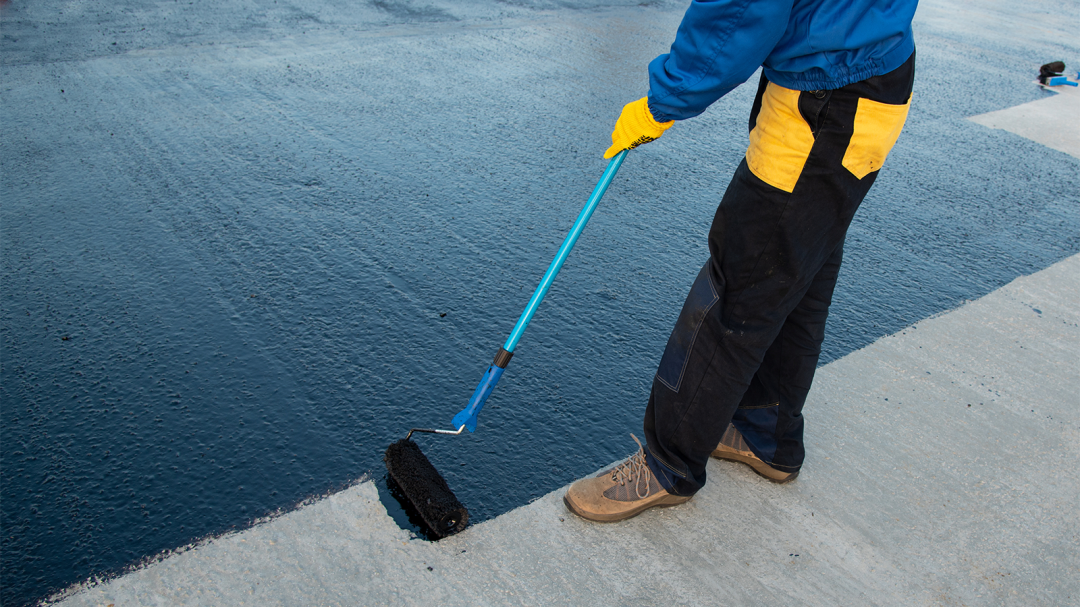
Step Four: Apply the New Coating
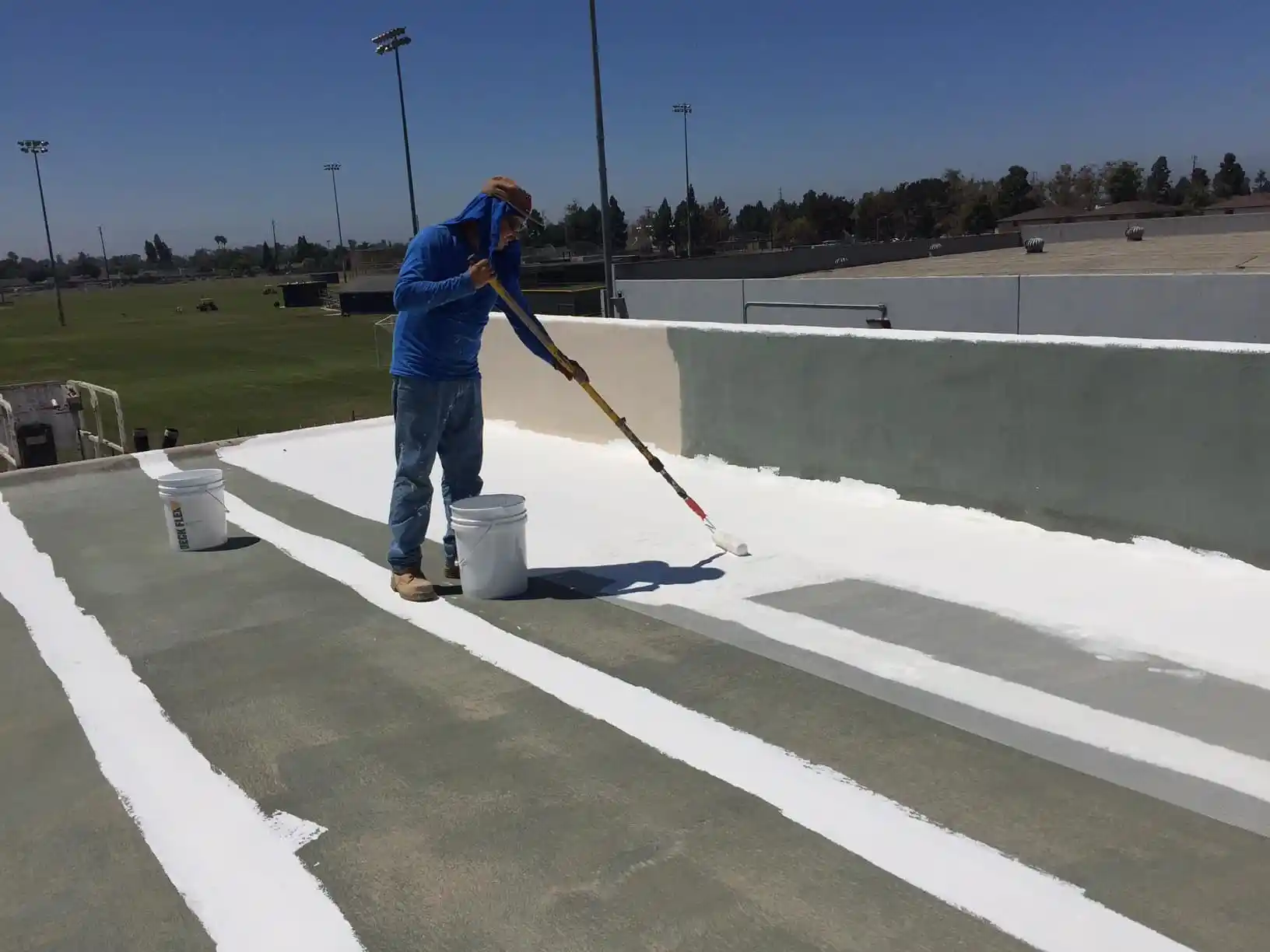
Pick a dry, warm day. Mask edges. Apply in thin, even layers. Allow each coat to dry fully before the next. Watch for bubbles and ensure full coverage—especially corners and edges.
Step Five: Let the Deck Rest
Do not walk on it too soon. Both liquid rubber and polyurethane need cure time. Follow the manufacturer’s guidance for light foot traffic and full cure.
Which One Is Best for You?
- Need flexibility / small crack‑filling: Liquid rubber is a strong choice and easy to touch up.
- Need maximum durability and gloss: Polyurethane stands up to sun and foot traffic.
Why Fix Peeling or Cracked Deck Coatings Fast
- Prevents water intrusion, wood rot, and slippery surfaces
- Stops nails popping and boards lifting
- Saves money by avoiding larger repairs and replacements
Why Trust Southern California Decking
- Experienced team using high‑quality products
- Thorough prep: cleaning, sanding, and old‑coating removal
- Layered application with correct dry times
- Careful cleanup and clear communication
Final Thoughts
Peeling or cracked coatings are a sign to take action: clean, scrape, choose liquid rubber or polyurethane, re‑coat in layers, and let it cure. Then enjoy your deck again.
At Southern California Decking, we make the process simple and safe. Call us today and protect your outdoor space for years to come.