I've walked through a lot of homes across Los Angeles, Santa Monica, and Santa Clarita over the past few decades — and I can tell you something that surprises almost every homeowner I meet: the mold problem you're dealing with today almost certainly started with a water problem you ignored last year.
Mold doesn't appear out of nowhere. It needs two things to survive: a food source (like wood, drywall, or insulation) and moisture. The food source is everywhere in your home. So the one thing standing between your property and a serious mold infestation is keeping moisture out — which is exactly what professional waterproofing does.
At Southern California Decking (Waterproofed.com), we've been protecting homes and commercial properties across the greater Los Angeles area for over 38 years. And here's what we've learned: the homes that never develop mold problems are almost always the ones with properly waterproofed decks, balconies, roofs, and foundations. It really is that simple.
The Southern California Moisture Problem Nobody Talks About
Most people think of Los Angeles as dry. And compared to Miami or Seattle, it is. But the reality on the ground — especially in coastal communities like Santa Monica and neighborhoods in North Hollywood that sit in low-lying terrain — is that moisture intrusion is a year-round challenge.
Here's what's working against your home right now:
- 1. Marine Layer Humidity
The coastal marine layer pushes moisture into homes across Santa Monica, West LA, and the westside every single morning. Over weeks and months, this seeps into any crack, gap, or unprotected surface it can find.
- 2. Winter Rainstorms
When rain finally hits the LA basin — and in recent years, it has hit hard — properties that haven't been properly maintained absorb enormous amounts of water in a short period. Flat roofs, aging deck membranes, and poorly sealed balconies take the brunt of it.
- 3. Temperature Swings in Inland Areas
In Santa Clarita and Acton, dramatic swings between hot days and cool nights cause building materials to expand and contract. Over time, this creates micro-cracks in deck coatings, caulking, and sealants — all potential water entry points.
- 4. Aging Building Stock
Hollywood and North Hollywood are full of pre-war construction. Many of these buildings were never waterproofed to modern standards, and decades of deferred maintenance have left them vulnerable.
Once water finds a way in — through a cracked deck, a leaking balcony membrane, or a compromised roof edge — it migrates through the structure. Within 24 to 48 hours, mold spores that are already present in the environment begin to colonize the wet material. Within days, you have an active mold problem hidden inside your walls, floors, or ceiling.
How Proper Waterproofing Stops Mold Before It Starts
Professional waterproofing creates a continuous, impermeable barrier between your home's structure and the elements. When done correctly, water simply has nowhere to go. No entry point means no trapped moisture, and no trapped moisture means no mold.
The areas most likely to allow water intrusion — and therefore most likely to become mold sources — are:
- 1. Decks and Balconies
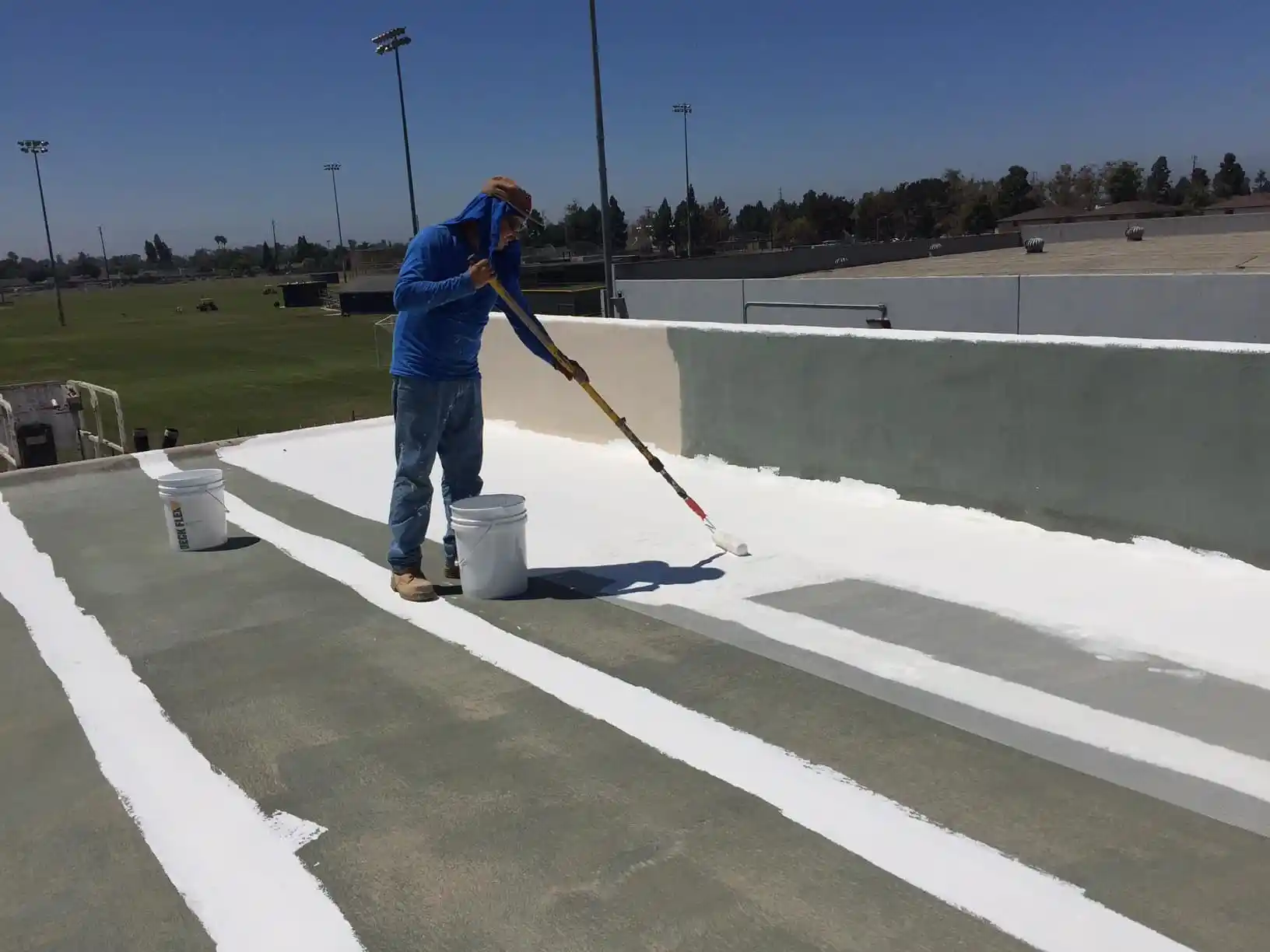
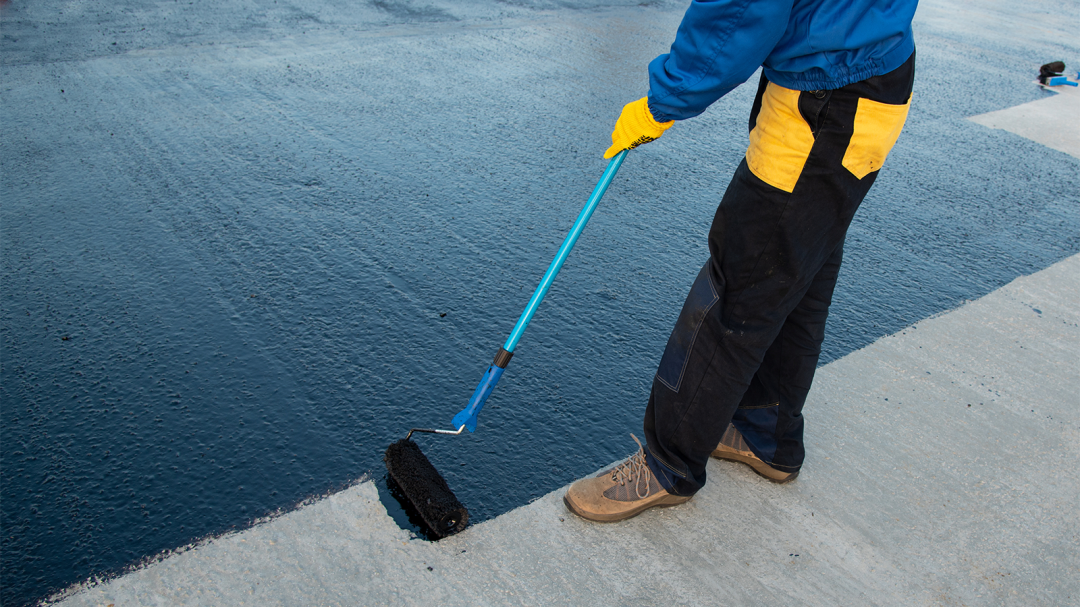
These are the number one culprit we see. A cracked or delaminating deck membrane allows water to pool and seep directly into the subfloor and structural framing below. By the time a homeowner notices a stain on the ceiling underneath, mold has often been growing for months. Properly applied deck and balcony waterproofing with seamless membranes and correct slope drainage eliminates this risk entirely.
- 2. Roof Decks
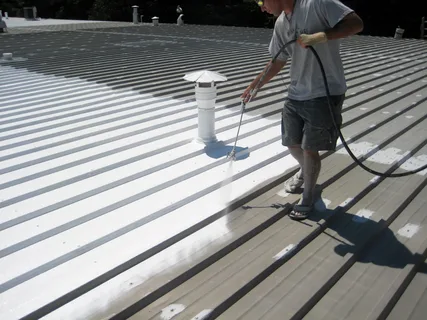
Rooftop living spaces are exposed to everything — UV, rain, temperature swings, and foot traffic. A well-maintained, properly waterproofed roof deck protects not just the deck surface but the entire living space below it.
- 3. Planters and Landscape Features
This one surprises people. Planters built into or adjacent to structures are a silent mold factory when not properly waterproofed. Water from irrigation and rain saturates the planter walls, migrates into adjacent structural elements, and creates hidden wet zones perfect for mold growth.
- 4. Stairs and Entry Areas
Exterior stairs channel water directly toward your home's foundation and entry points. Without waterproofing, they funnel moisture into exactly the spots where it can do the most structural and biological damage.
What to Do If You Already Have Both Problems — Water Damage and Mold
If you're reading this because you're already dealing with mold, here's the most important thing to understand: remediating the mold without fixing the water source is pointless. The mold will come back within months — sometimes weeks — if the moisture pathway isn't permanently sealed.
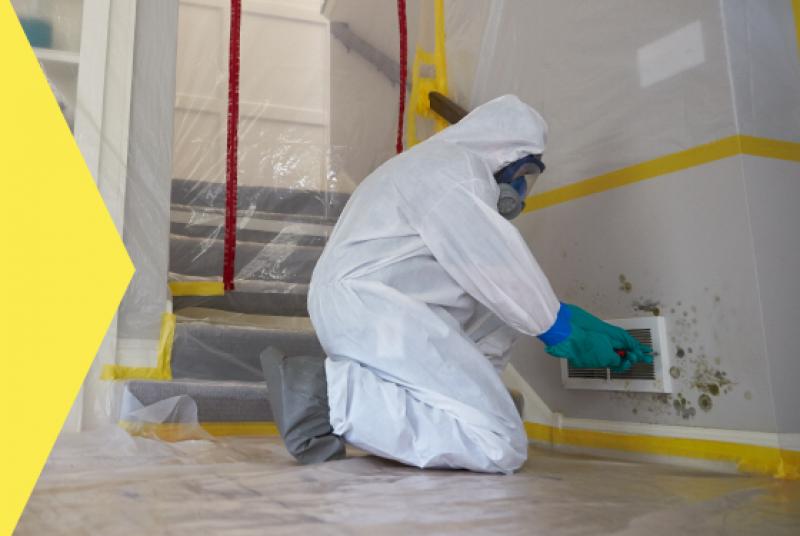
This is the gap in the market that Southern California Decking fills. Most mold remediation companies clean up the mold and leave. We clean up the mold and then fix the reason the mold was there — with the same team, on the same project, under the same roof.
Our integrated approach for combined water damage and mold situations includes:
- 1. Full Mold Inspection
- Using thermal imaging, air quality testing, and moisture meters
- 2. Safe, Certified Mold Remediation
- With HEPA air filtration and EPA-approved anti-microbial treatments
- 3. Identification and Repair of the Water Intrusion Source
- Deck, balcony, roof, planter, or foundation
- 4. Professional Waterproofing Application
- To permanently seal the entry point
- 5. Post-Remediation Air Quality Testing
- To confirm the environment is clean and safe
Don't Wait for Mold to Appear — Waterproof Now
Whether you're in Santa Monica, Santa Clarita, Hollywood, North Hollywood, Acton, or anywhere across the greater Los Angeles area — if your deck, balcony, or roof hasn't been professionally inspected and waterproofed in the last five years, you're running a risk. The good news is that prevention is always less expensive than remediation.
Our team at Southern California Decking offers free property inspections with zero obligation. We'll tell you exactly what condition your waterproofing is in, what risks exist, and what it would cost to fix them — clearly and honestly, with no pressure.